

BlogExplore an interest
Not being on the team doesn’t make basketball practice a waste of time.
Missing the roster can change your plans. It doesn’t have to take away everything you enjoy about the game.
 Seven6 min read
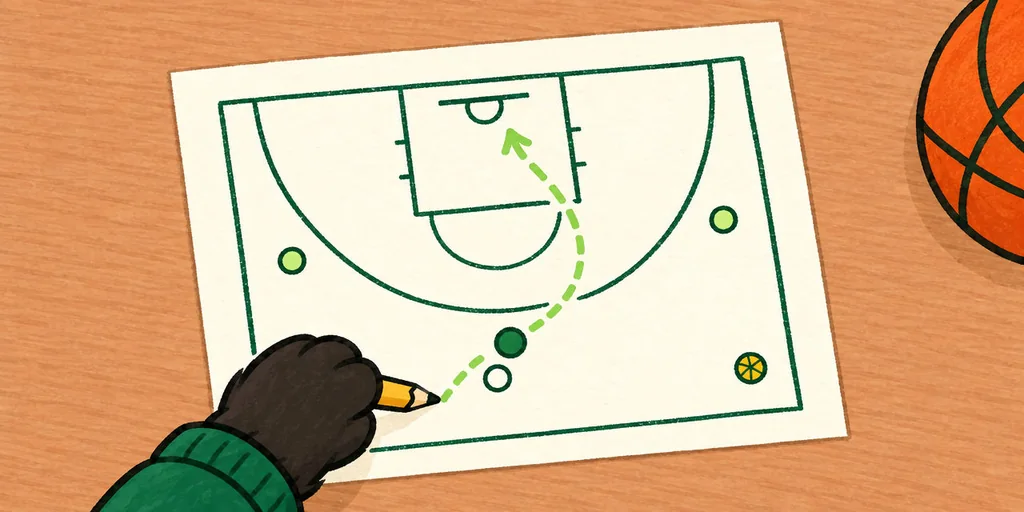
You’re on the driveway or at the park court, working on the same move you practiced before tryouts. A week ago, that practice had an obvious purpose. Now the list is posted, your name isn’t on it, and every shot comes with a new question: what is this for?
You wanted that spot. It makes sense to feel disappointed, and it makes sense if practice feels different for a while. Being told to “just have fun” doesn’t really answer the question you’re asking.
A roster decision answers one question
A selection result tells you something specific: you didn’t get a spot on this roster, this season. A team decision can depend on many things, including which positions a coach needs and how many players the roster can hold.
What the result doesn’t settle, on its own, is what you enjoy about basketball, which parts of your game you could improve, or whether you want to keep playing. Those are separate questions, and you’re the one who gets to answer them.
If making the team is still your goal, it can help to ask the coach one specific question, such as which skill would make the biggest difference at your position. A clear answer gives you something concrete to work on. It won’t guarantee a spot next time, but it’s more useful than guessing.
There’s more than one reason to play
Think about why you started playing in the first place. For many players, a few reasons show up at once:
- Getting better at a move. The crossover that finally stops getting stolen. The shot you can now make from the left side.
- Competing with friends. Pickup games where the score matters for twenty minutes, followed by an argument about the rematch.
- Figuring out why a play works. Why one pass opened up the whole court, or why a defender kept getting caught out of position.
These reasons can exist side by side. Only one of the goals you had this season depended on the roster.
Enjoying a sport isn’t only about winning or being selected. Researchers at George Washington University asked young soccer players, their coaches, and their parents what makes playing sports fun. Trying hard, learning and improving, and spending time with teammates were among the things they described. GW Today (2014): what makes youth sports fun The study looked at 142 youth soccer players in the Washington, D.C., area, not high school basketball players, so it can’t tell you what you should enjoy. It does suggest that effort and improvement can be part of the fun, not only the price you pay for it.
None of this means you have to keep practicing. You might decide to play less, try a different sport, or take a break. Those are real choices too. The point is to make them based on what you actually like, not on one list alone.
Getting better at a move
Effort, repetition, and finally seeing it work.
Playing with friends
Competing, rematches, being part of the game.
Figuring out why plays work
Spacing, timing, and what the defense does.
A detail worth following
In our fictional basketball conversation, a student asks the same question this article started with:
The conversation is fictional.

Student
I didn’t make the team. What am I even practicing for?

Seven
If tryouts disappeared, would you still play?
Student
Yeah. With my friends. I like figuring out why plays work.
Seven
Then steal a move from your favorite NBA player. Watch how they get open. Try it next game—and surprise your friends with a new play.
Why the reply follows that detail
The conversation could have gone toward a pep talk or a training plan. Instead, Seven asks a question that takes tryouts out of the picture for a moment. The answer shows what’s left: playing with friends, and an interest in why plays work.
That last part is specific. It isn’t a general love of basketball. It’s curiosity about how the game fits together. So Seven connects it to something the student can actually do: watch a player they already follow in a new way, then bring one idea to their next game.
The reply doesn’t turn the answer into a verdict about talent, leadership, or a future in coaching. It follows the student’s own detail far enough to give them something to try.
Watch what happens before the pass
Highlights usually show the finish: the dunk, the three, the celebration. Another part of the play often happens a second or two earlier, before the player touches the ball.
Next time you watch a game, pick one player and follow them instead of the ball. Ask yourself:
- Where did they go before the catch?
- When did they move? Right away, or after a teammate did something?
- What did their defender do?
Coaches describe part of this as spacing and moving without the ball. Spacing means players spread out so one defender can’t easily guard two people. Moving without the ball means cutting, stepping away, or changing direction to create room for a pass. Youth practice plans teach these ideas directly. The Jr. NBA’s All-Star practice plans, for example, include a “Bunch Spacing” activity built around where players stand, how they move without the ball, and the decisions that follow. Jr. NBA: All-Star Practice Plan 12
You don’t need to run an NBA offense to use any of this. Pickup games are loose, and most people just call for the ball. That’s why one well-timed cut can stand out. Borrow a single movement, bring it to your next game with friends, and start to understand why it works, or why it doesn’t.
Steal one move. Try it next game.
Here’s a small experiment you can run this week:
- Choose a short clip of a favorite NBA player getting open.
- Replay it while following the player instead of the ball.
- Notice one movement and when it happens.
- Try a simple version with a friend, then use it in a game.
- Notice what happened and change one thing on the next attempt.
If it helps, sketch the movement first. A few dots and one arrow are enough. The sketch is only there to help you remember what you saw.
This is our own suggested experiment. The sources in this article explain the basketball ideas behind it. They don’t show that this exact exercise will improve your game.
A useful result might be an easier pass, better timing, noticing how a defender reacts, or learning why the movement didn’t fit your game. One good attempt doesn’t mean you’ve mastered it. An attempt that doesn’t work still gives you something specific to look at: the space, the timing, or the pass.
Keep it light. This isn’t homework, and there’s nothing to track. You’re playing basketball with one new idea to test.
You can want the spot and still look forward to the game
Missing the team can change your plans for the season. You can still want a roster spot, ask for feedback, and work toward the next tryout.
You can also find another reason to look forward to the next game, like a move you want to try on your friends. One doesn’t cancel the other. Practice can matter for more than one reason.
How would you like to keep exploring?
Get started with Seven — free.
Have a play you want to try? Talk it through with Seven.
Start a conversationYou’ll create a free account first.
Read the basketball example